Survivor Story: Heather Ruplinger
Some stories begin with extraordinary moments. Others begin on completely ordinary days, the kind filled with routine plans, familiar rhythms, and no hint of what’s ahead. This is one of those stories and one that hits very close to home.
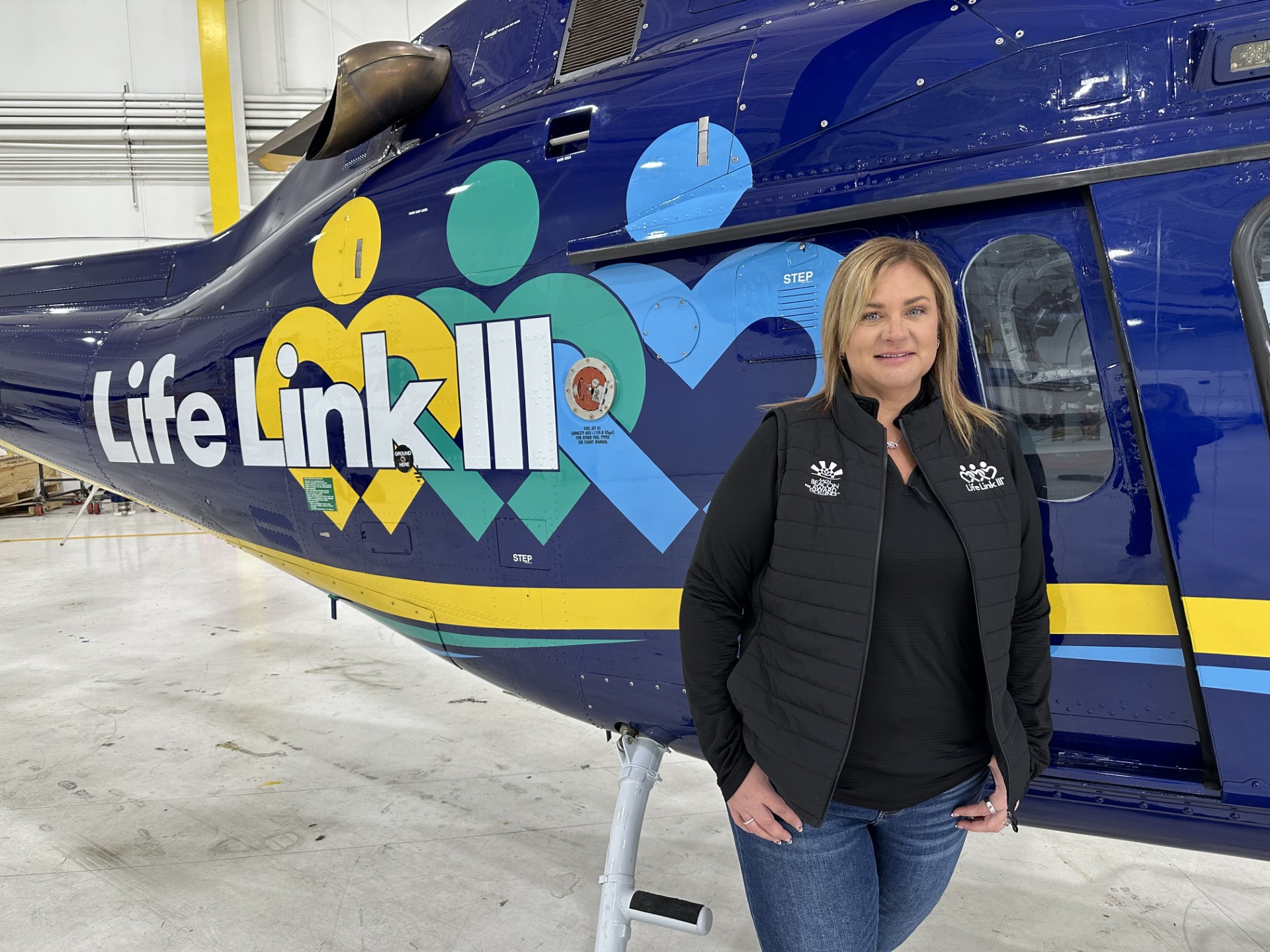
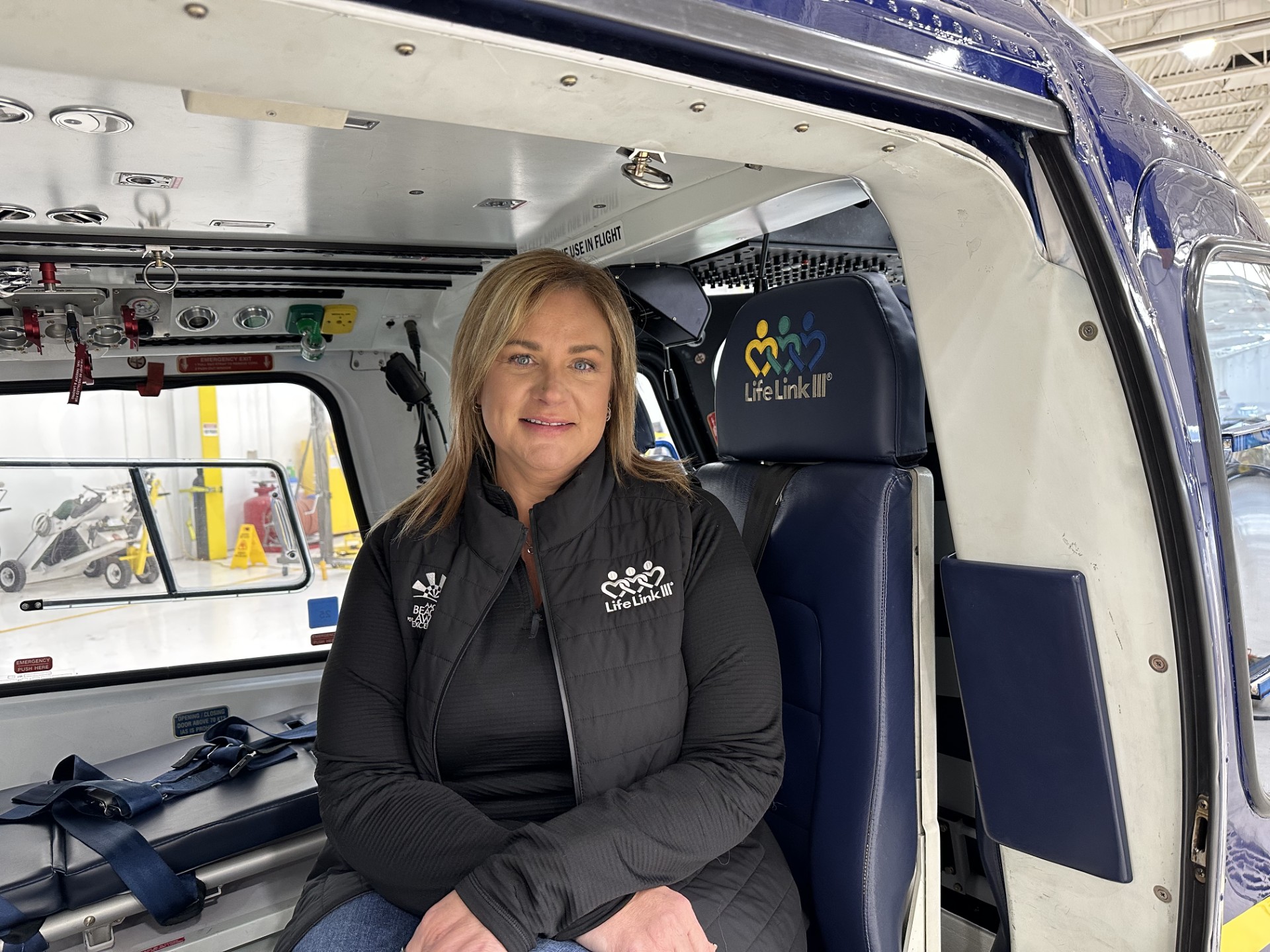
Heather Ruplinger is a Clinical Services and Education Administrative Specialist at Life Link III. Since joining the team in 2022, she has served as a key resource in supporting our clinical team members and making sure they are prepared to respond and answer the call.
On June 22, Heather woke up with a sudden, intense cramp in her leg. When she tried to stand, her leg gave out and she collapsed onto the floor. “I was scared and confused,” she said. “But once the pain eased enough for me to move again, I told myself it had passed.” Three days later, she began experiencing shortness of breath and chest tightness. Because of her chronic asthma, Heather went to a local urgent care clinic, where she received a nebulizer treatment and was told her symptoms were likely asthma-related. Still, she felt uneasy. “I knew something didn’t feel right,” she said.
Then, on July 1, 2025, during a routine oil change appointment, Heather became suddenly lightheaded while checking in at the service desk. She fainted and collapsed to the floor. When she woke up, employees were calling for an ambulance. She called her husband, Jeff, who immediately left work to come get her. Before she could leave, Heather lost consciousness several more times and was transported by ambulance to District One Hospital in Faribault. When she arrived, a physician called “Code Blue”, which is a hospital announcement meaning someone’s having a medical emergency. Most commonly, it means someone’s heart stopped (cardiac arrest) or they aren’t breathing (respiratory arrest). Even as she faded in and out of consciousness, Heather relied on instinct.
“I told them to call Jeff, and then I told them to call Life Link III,” she said. “When the nurse asked why, I told her, ‘Because I work for Life Link III.’” Doctors discovered multiple large blood clots in both of Heather’s lungs, along with additional clots in her left leg. As the clots worsened, they began obstructing blood flow through her heart, eventually causing right-sided heart failure.
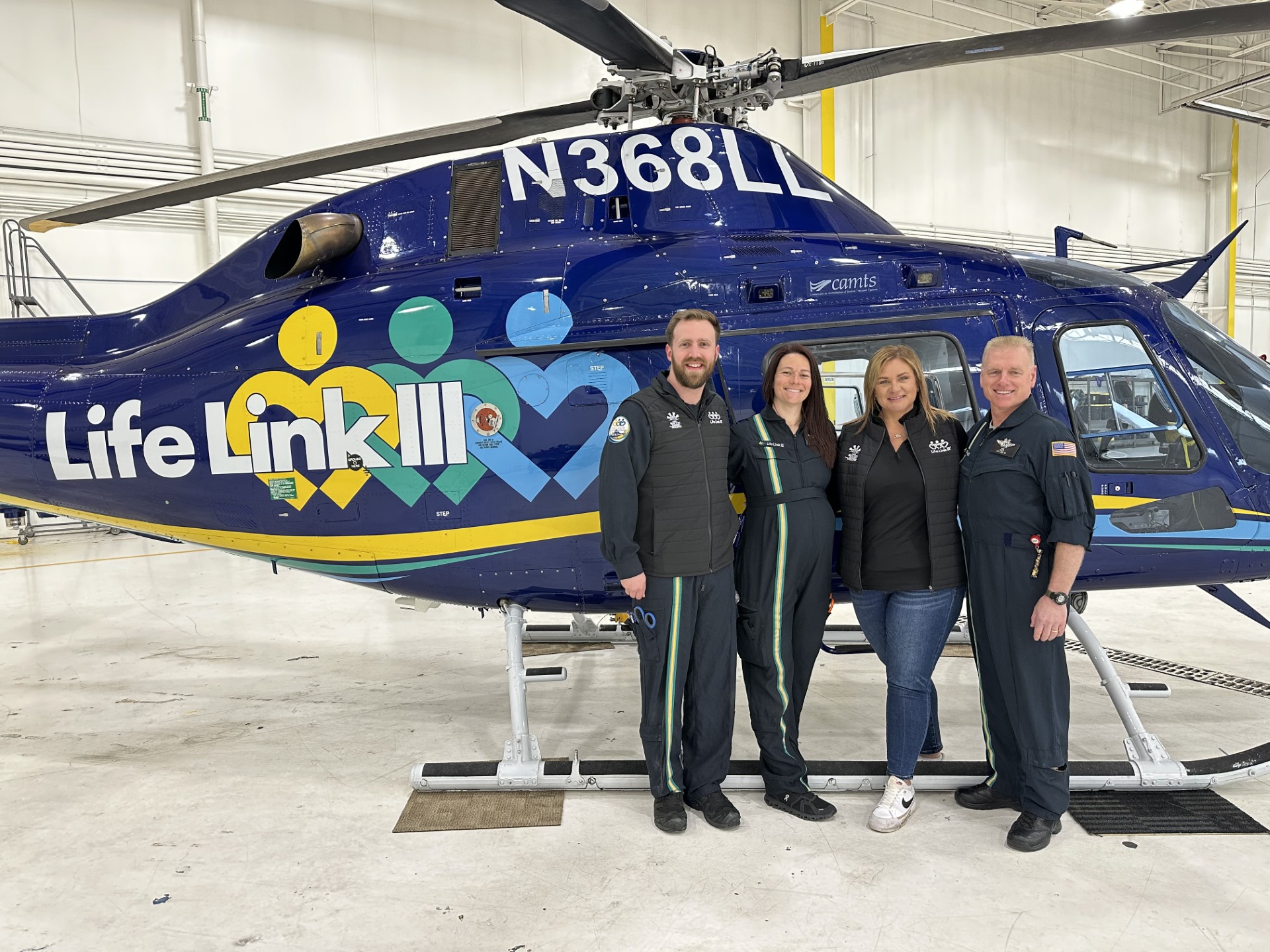
When Alec and Katie, Life Link III clinical crew members, arrived in the emergency department, the atmosphere changed. “As soon as they walked in, everything felt calmer,” Heather said. “Not just for me, but for Jeff and my mother-in-law too.” Alec explained that Heather would likely need ECMO and that they were going to do everything they could to help her. “Hearing that was terrifying,” Heather said. “But it was also reassuring. I trusted them.”
As Alec and Katie prepared her for helicopter transport, Heather continued drifting in and out of consciousness. Later, Jeff told her how carefully they explained each step and made sure he and her mother-in-law understood what was happening before moving to the helipad.
She remembers seeing the pilot, Les, and jokingly telling him she wasn’t in the mood for jokes or stories. “He laughed and promised to get me to Abbott safely,” she said. She remembers the helicopter lifting off. Shortly after, she became very sick. “Then everything went dark,” she said.
When they arrived at Abbott Northwestern Hospital, Heather remembers Alec telling her they had done everything they could and that she would be placed on ECMO. As she was being brought into the emergency department, she felt a sternum rub and heard someone say, “Heather, stay with us!” “I tried to respond,” she said. “I don’t know if the words ever came out.” Heather coded shortly after and required intubation and defibrillation.
After transferring care, Alec and Katie called Jeff directly to explain what had happened and reassure him. In the hours that followed, others from the Life Link III team reached out to support him and Heather’s family. “The whole company stood behind us,” Heather said. Thirty-six hours later, Heather woke up to learn she had been placed on ECMO and that doctors were preparing to extubate her. “I was alive,” she said.
In the weeks that followed, Heather learned she has antiphospholipid syndrome (APS), a genetic condition that likely caused the blood clots, and may have been responsible for her mother’s fatal stroke years earlier. “That realization was heartbreaking,” she said. “But it also gave meaning to my survival.” Because of the diagnosis, Heather’s sister can now be tested and take preventive measures. “In that way, this journey goes beyond me,” Heather said. “While they saved my life, they may have saved my sister’s life too.” Heather has since reached out to the crew to express her gratitude. She believes the care she received reflects the compassion and professionalism shown to every patient. “That commitment is what defines this organization,” she said.